Professional Waste Administration: How Tipping Pots Improve Safety and Output
Introduction: Tipping pots have grown to be a cornerstone in contemporary industrial and professional spend management. Developed to take care of heavy loads effortlessly, these bins are manufactured to boost functional workflows while reducing work and security risks. In this informative article, we investigate tipping container (tippcontainer), their aspects, benefits, and mathematical relevance in industries worldwide. What's a Tipping Container ? A tipping container is really a specifically made container capable to be lifted, tilted, and emptied mechanically, usually using a forklift, crane, or devoted tipping mechanism. Unlike conventional bins, these bins allow operators to discharge materials without strong contact, increasing equally speed and safety.
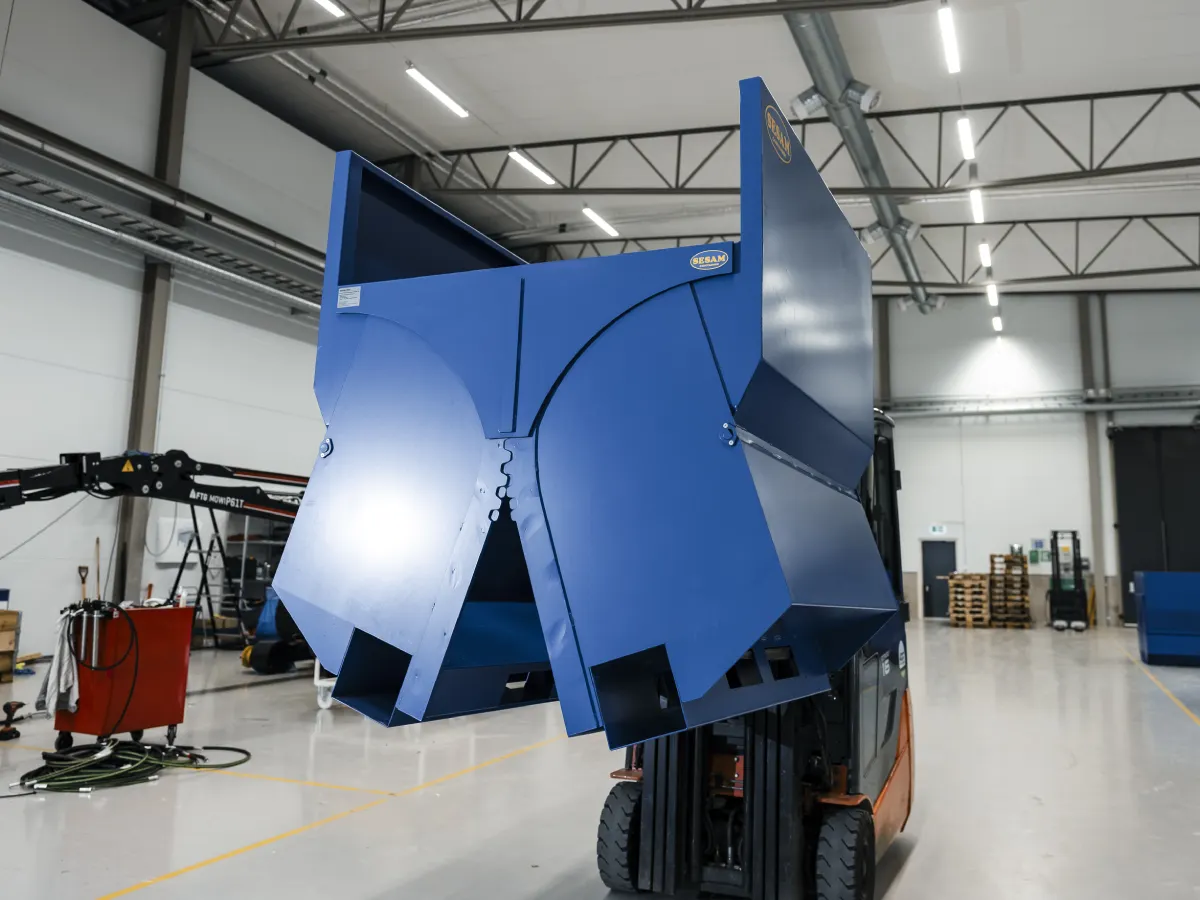
How Do Tipping Pots Function? Tipping pots operate on a pivoting or dipping mechanism. Most designs feature a robust figure and locking process that secures the container throughout transport. When the tipping action is triggered—possibly physically or via hydraulic or mechanical assistance—the container tilts, enabling contents to pour out in a managed manner. The style guarantees minimal spillage, which makes it well suited for granular products, scrap material, or mass waste. What Will be the Frequent Uses of Tipping Bins? Industries generally use tipping containers for: Manufacturing features: Effective removal of scrap, offcuts, or raw materials. Construction internet sites: Rapid handling of trash, mud, or aggregates. Spend management solutions: Facilitating series, transport, and removal of professional or municipal waste. Food processing: Safe move of mass foodstuffs in clean, industrial environments. Why Are Tipping Pots Preferred Over Standard Bins? A few facets contribute with their rising adoption: Performance: Reduces time used draining products in comparison to guide handling. Security: Diminishes the danger of harm by lowering guide lifting.
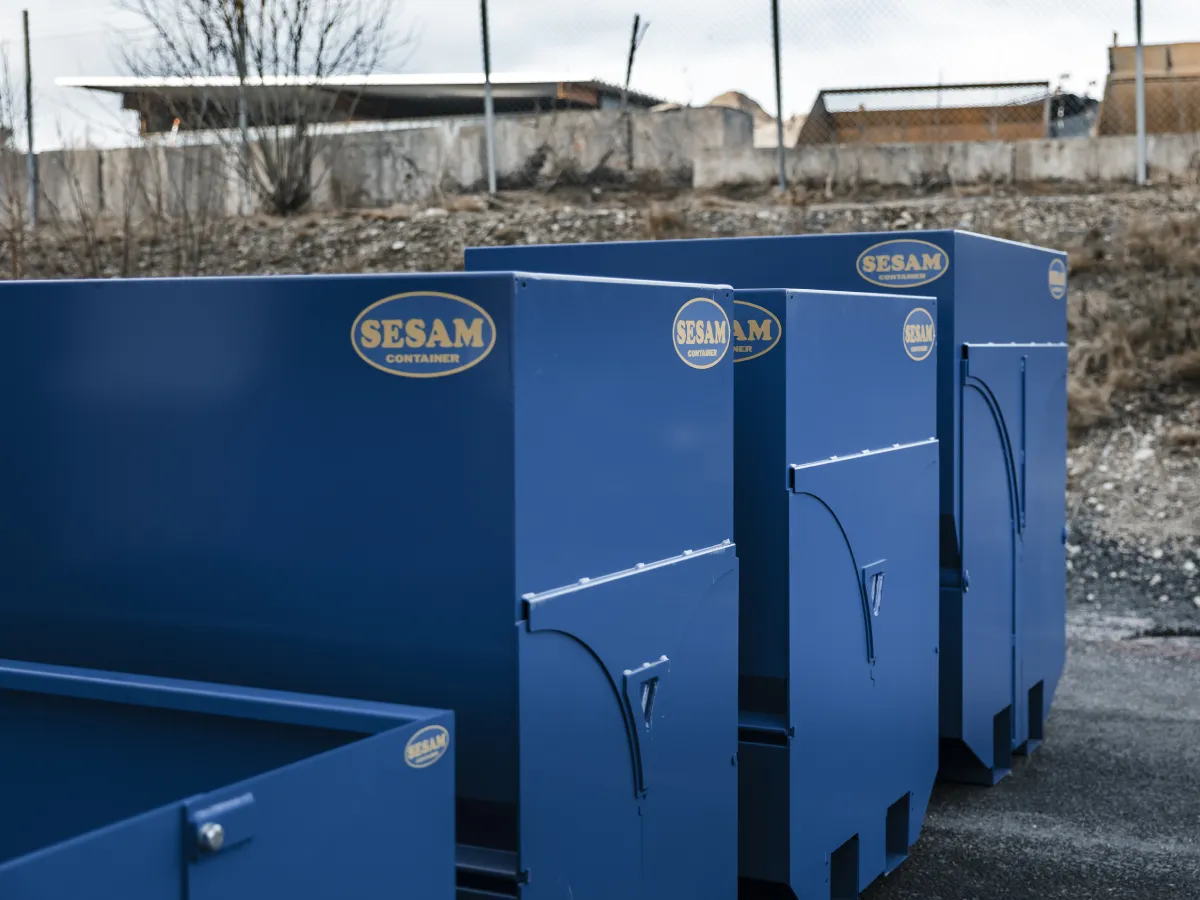
Durability: Constructed from heavy-duty metal or industrial-grade plastic, these bins withstand repeated heavy use. Flexibility: Compatible with forklifts, hoists, or specialized tipping equipment, giving freedom across operations. Statistical Information: Based on new commercial studies, services that adopt tipping containers report a 30–45% development in spend managing efficiency. Moreover, security incidents related to manual training reduce somewhat, displaying their role in office safety protocols. Realization: Tipping pots are a vital asset for industries that want effective, secure, and versatile waste or product managing solutions. Their engineering guarantees minimal job, large toughness, and functional effectiveness, making them a chosen decision across production, structure, and commercial sectors.